
4 Multi-Generational Family Living Tips!
This post contains editorial samples and/or affiliate links to products I recommend. While this adds no additional cost to you, I will earn a small commission on any sales made.
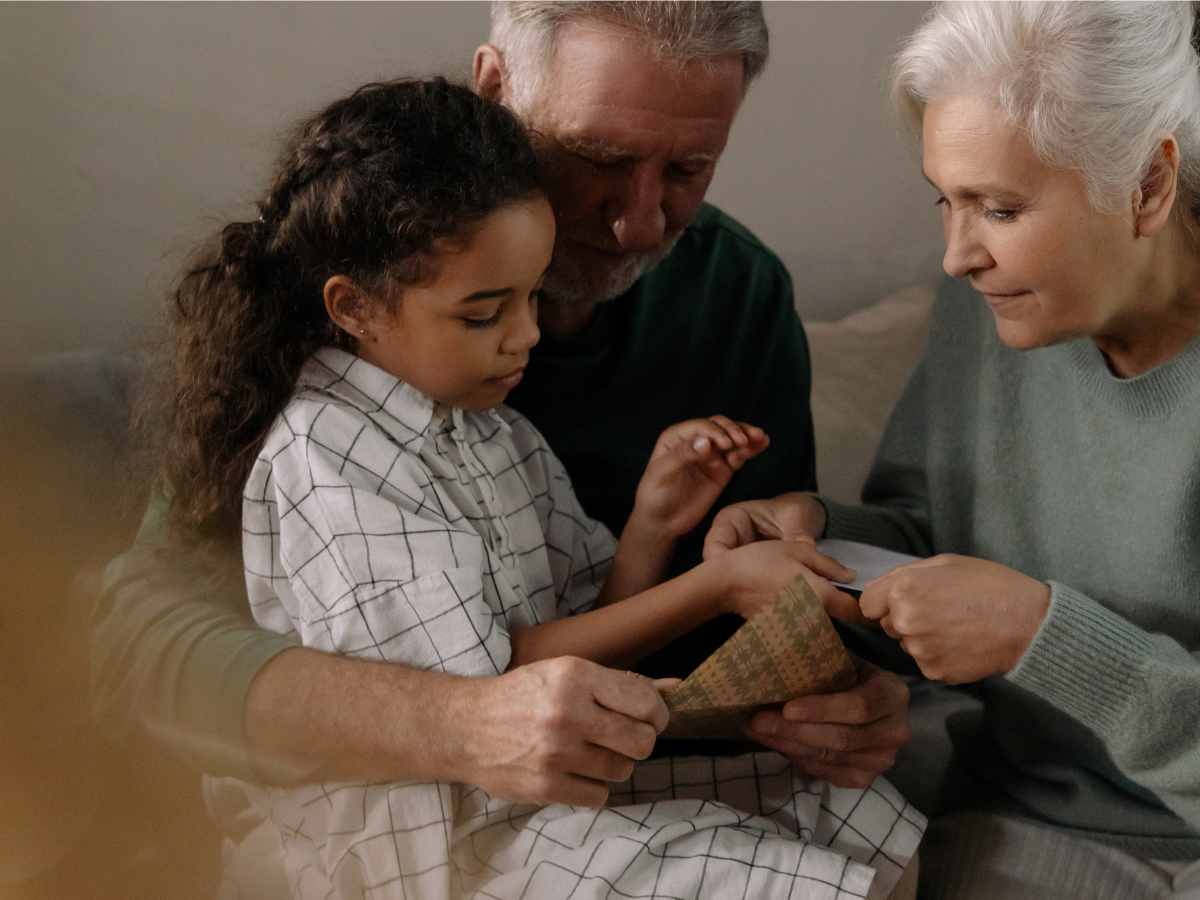
Generations under one roof? Embrace these 4 Multi-Generational Family Living Tips for families of all ages and stages!
Is your home a haven for several generations?
What a blessing!
With family oceans away, we do love seeing friends with a multigenerational household.
There are so many wonderful things about having several generations under one roof, and with that same breath, it can come with a few challenges.

If you’re a multi-generational household and are looking for ways to foster a supportive home environment with the generations living in your home, consider these four tips.
4 Multi-Generational Family Living Tips
1. Establish Communication and Respect
It’s important to keep open channels of communication and remain respectful in all topics of discussion. Openly discuss concerns, share feelings, coordinate schedules, and make decisions in a fair, collaborative manner.
This allows you to prevent small annoyances from growing into large conflicts, which can hurt family dynamics.
When discussing issues, remember to listen respectfully, refrain from interrupting, and respond thoughtfully.
Learn to resolve conflicts constructively, focus on finding solutions, and avoid being quick to blame the other person.
Involve all adults in the discussion about providing care for older relatives.

Assign roles and responsibilities based on each person’s strengths and abilities, and ensure that everyone is aware of your senior relatives’ health conditions.
For instance, if someone in your household has cancer, like mesothelioma, take time to read articles about mesothelioma survival and cancer-related specifics.
2. Set Clear Boundaries and Expectations
It’s important to define roles and responsibilities in your household. This should be done after considering each family member’s age, abilities, availability, and preferences.
This ensures everyone contributes, promotes healthy support, and prevents disagreements from popping up.
A lack of privacy can also be a major source of conflict in a multigenerational household.
Remind everyone to respect private spaces.
Set clear guidelines, especially when it comes to visiting guests or entertaining.
 Respect quiet hours and the use of communal items.
This helps manage everyone’s expectations and promotes a smoother routine among family members.
3. Organize Your Living Space
To ensure a calm living environment, it is important to reorganize the living spaces.
Designate different zones to suit various activities.
Create areas where the whole family can gather and also smaller, private corners for relaxation.
Consider using room dividers and bookcases to carve out smaller spaces.
If you have family members with limited mobility, consider home modifications for accessibility, such as grab bars, ramps, and wider doorways.
For other family members, make sure each has their own personal space so everyone has a safe and comfortable space to retreat.

4. Balance Caregiving and Personal Well-Being
To prevent stress and fatigue, make sure to prioritize self-care.
This can involve asking for help from other family members, hiring in-home care aides, or joining a support group if needed.
Create a shared family calendar to track appointments and activities. This promotes smooth coordination and helps ensure everyone’s time is respected.
Always remember and acknowledge that adjustments take time.

Be patient with your family members as they adapt to their new routines.
Caring for a multigenerational family requires open communication, clear expectations, defined boundaries, and shared responsibilities. Keep this in mind, and you will see the experience being one you will treasure over the years!